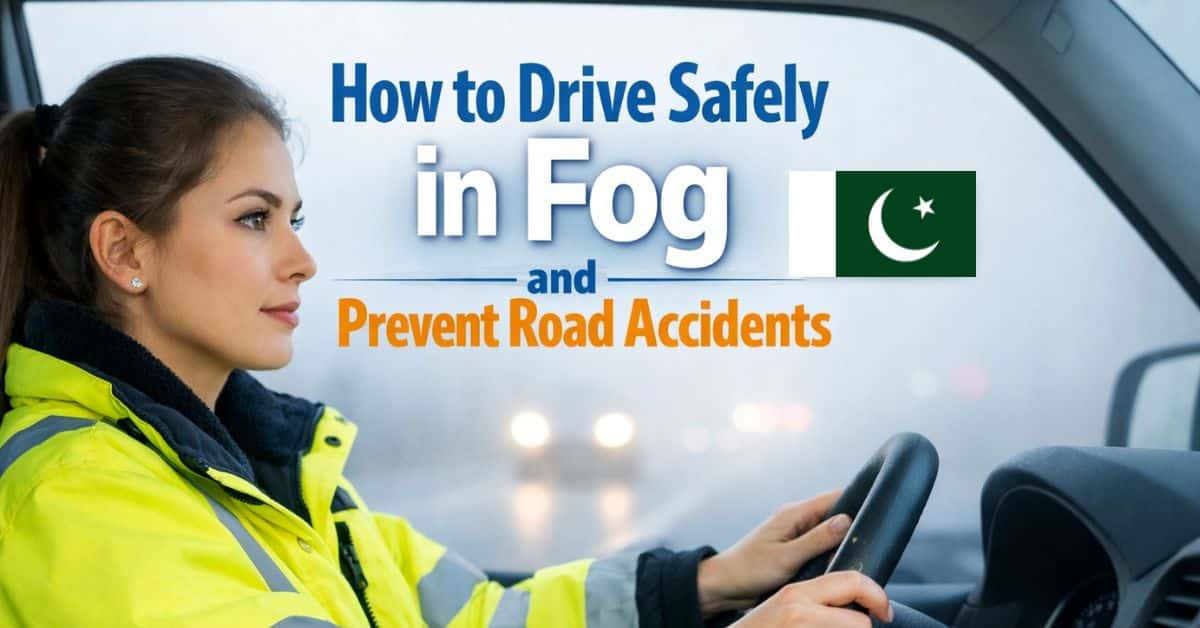
Fog represents one of the most hazardous weather conditions for motorists. Every year, numerous road incidents are caused by limited visibility resulting from thick fog, particularly during winter mornings and late evenings. When fog impairs your ability to observe other vehicles, traffic signs, and obstacles, even seasoned drivers may commit serious errors.
This comprehensive guide delineates the procedures for driving safely in fog, highlights common errors made by drivers, and outlines practical measures to prevent road accidents in conditions of reduced visibility. Whether operating a car, bicycle, or hefty vehicle, these safety guidelines have the potential to save lives.
Why Fog Is Dangerous for Drivers?
Fog occurs when minuscule water particles are suspended in the atmosphere, significantly impairing visibility to only a few meters in severe instances. On highways and motorways, fog presents particular hazards due to the typically elevated velocities of vehicles.
Key Dangers of Foggy Conditions:
- Restricted visibility of vehicles in front
- Postponed response time
- Challenge in accurately assessing distance and velocity
- Elevated risk of sequential collisions
- Unseen traffic indicators, turns, and intersections
Recognizing these hazards is the initial step toward ensuring secure driving in foggy conditions.
Reduce Speed Immediately in Foggy Weather:
Why Speed Control Is Critical in Fog
Operating a vehicle at high speed in foggy conditions is among the primary factors contributing to accidents. When visibility diminishes, your halting distance increases significantly.
Safe Speed Tips
- Operate at a speed significantly under the posted limit.
- Modify your pace according to your visibility distance.
- Never presume that the path ahead is unobstructed.
- Reduce your speed further when approaching intersections and curves.
A fundamental principle: If you are unable to halt within the visible distance, you are exceeding a safe speed.
Use Fog Lights and Headlights Correctly:
Which Lights to Use in Fog
Proper illumination enhances visibility of the roadway and ensures your vehicle is noticeable to other drivers.
Recommended Lighting
- Operate with low-beam headlamps
- Activate the ambient lights if they are available.
- Maintain the headlamps illuminated during daytime fog conditions.
Avoid High Beams in Fog
High beams reflect off fog droplets and generate glare, thereby impairing visibility rather than improving it.
Maintain a Safe Following Distance:
Increase Distance Between Vehicles
In fog, normal braking distance is not enough.
Safe Following Guidelines
- Maintain a minimum distance of 4 to 6 seconds from the vehicle in front.
- Extend the following distance when driving on damp or icy roads.
- Observe the rear lights of the vehicle in front as a reference.
Rear-end collisions are highly prevalent in foggy conditions due to minimal inter-vehicle spacing.
Check Also: E-Challan Payment Reversed Without Warning
Stay in Your Lane and Avoid Sudden Lane Changes:
Why Lane Discipline Matters
Fog reduces the visibility of lane markings. Unexpected lane changes may catch other drivers off guard.
Best Practices
- Utilize lane markings or road reflectors as indicators.
- Refrain from undertaking superfluous overtaking maneuvers.
- Indicate your intention to change lanes well in advance.
- Maintain composure and operate your vehicle in a predictable manner.
Sudden maneuvers in foggy conditions may lead to multi-vehicle collisions.
Use Road Markings and Reflectors as Visual Guides:
When visibility is limited, road markings serve as your most reliable navigation aids.
How to Use Road Markings Safely?
- Adhere to the white boundary lines to remain on the roadway.
- Utilize central lines to preserve proper lane positioning.
- Observe reflective markers on highways and motorways
Never depend exclusively on the movement of other vehicles.
Avoid Distractions and Stay Fully Focused:
Fog Requires Extra Attention
Engaging with a phone, modifying music settings, or engaging in excessive conversation can divert your attention during crucial moments.
Safety Tips
- Maintain both hands firmly on the steering column.
- Refrain from using mobile phones
- Minimize in-vehicle conversations
- Concentrate on sounds such as trumpets or emergency sirens.
Even a second of distraction can be deadly in fog.
Use Windshield Defoggers and Wipers Properly:
Keep Your Windshield Clear
Fog frequently results in internal and external condensation on glass surfaces.
Visibility Maintenance Tips
- Activate the defogger or heater.
- Activate windshield wipers when moisture accumulates.
- Maintain the windows slightly ajar if necessary.
- Regularly clean windshields to prevent reflections.
Clear vision is essential for safe driving in fog.
Know When to Stop Driving in Dense Fog:
When Visibility Becomes Too Dangerous
If fog becomes exceedingly dense, persisting in driving may pose a significant risk to life.
Safe Stopping Guidelines
- Pull over solely at designated parking zones.
- Refrain from halting on road margins.
- Activate the hazard warning LEDs
- Remain within the vehicle if visibility approaches zero.
Parking in hazardous areas may lead to rear-end collisions.
Use Horn Carefully at Intersections and Turns:
Alert Other Drivers
In foggy conditions, motorists may be unable to perceive one another at intersections.
Horn Safety Tips
- Utilize brief horn signals when navigating abrupt turns.
- Notify others at intersections or narrow highways
- Refrain from unnecessary use of horn blasting
This practice is common and effective in low-visibility areas.
Avoid Overtaking and Risky Maneuvers:
Why Overtaking Is Dangerous in Fog
Fog obscures approaching vehicles and diminishes the precision of judgment.
Safety Advice
- Refrain from overtaking unless it is absolutely essential.
- Never approach in proximity to curves or intersections
- Exercise patience and adhere to the flow of traffic
Most fatal incidents involving fog typically occur during hazardous overtaking maneuvers.
Extra Safety Tips for Motorways and Highways:
Operating a vehicle on motorways in foggy conditions necessitates increased vigilance.
Motorway Fog Safety
- Adhere to motorway advisory signs
- Adhere to the posted speed limits
- Utilize hazard lights solely when coming to a complete stop
- Be alert for abrupt reductions in traffic flow
Chain collisions often occur on high-speed roads during fog.
Common Mistakes Drivers Make in Fog:
Avoid these common errors:
- Using high beams
- Driving too fast
- Following too closely
- Sudden braking
- Stopping in unsafe areas
Rectifying these errors substantially diminishes the likelihood of accidents.
Importance of Vehicle Maintenance in Foggy Weather:
A properly maintained vehicle exhibits enhanced performance in conditions of reduced visibility.
Maintenance Checklist
- Operational fog lighting and headlights
- Clean the mirrors and windshield.
- Correct tire tread depth
- Operational braking system
Vehicle condition plays a major role in fog safety.
Conclusion:
Driving in fog demands slower speeds, correct lighting, increased following distance, and unwavering focus to compensate for severely reduced visibility. Staying in your lane, avoiding risky maneuvers, using road markings, and knowing when to stop can prevent chain collisions and fatal mistakes. With proper vehicle maintenance and calm, predictable driving, motorists can significantly reduce accidents and stay safe in foggy conditions.
Frequently Asked Questions:
What is the safest speed to drive in fog?
There is no fixed speed. Drive slow enough to stop safely within the distance you can clearly see ahead.
How much distance should I keep from the vehicle ahead in fog?
Maintain at least a 4–6 second following distance, and increase it further on wet or icy roads.
Should I use high beams in fog?
No. High beams reflect off fog droplets and reduce visibility. Always use low-beam headlights or fog lights.